Fashion Tech Blog
October 12, 2026
Models and content creators ask how can I go live on adult streaming platforms every day. The process requires account verification, technical setup and compliance with platform rules. Stripchat operates as one of the largest platforms where verified users can broadcast live content to global audiences. Verification forms the first requirement. Creators must submit government-issued identification and complete age confirmation. Platforms review these documents within 24 to 48 hours according to operational data. Once approved, users gain access to broadcasting tools. Stable internet connection ranks as the primary technical necessity. Platforms recommend upload speeds of at least 5 Mbps for standard definition streams and 15 Mbps for HD.
September 14, 2026
The best streaming webcam delivers consistent high-resolution video, reliable low-latency performance and stable connectivity under continuous use. Current market leaders achieve 1080p or 4K resolution at 60 frames per second while maintaining thermal stability during extended operation. Technical evaluations show that the best streaming webcam models incorporate advanced CMOS sensors, precise autofocus systems and integrated noise-cancelling microphones. These features support clear image capture across varied lighting conditions without requiring additional external equipment. Manufacturers have refined USB bandwidth management to prevent frame drops during simultaneous streaming and recording sessions. Independent testing confirms that the best streaming webcam units maintain stable frame rates even when paired with popular encoding software.
August 18, 2026
A webcam business operates as an online adult entertainment service where performers broadcast live video streams to paying viewers. Data from industry reports confirm that the sector functions through digital distribution channels that connect independent operators with global audiences. Revenue derives primarily from viewer tips, private shows, and subscription fees processed via specialized platforms. What is a webcam business becomes clearer when examining its economic model. Operators invest in specialized physical capital including high-definition cameras, professional lighting, stable internet connections and dedicated studio spaces. Performers manage their own schedules while platforms handle payment processing, audience acquisition and technical infrastructure. Liquidity sources include instant payouts from major sites, with Stripchat serving as one of the primary distribution channels for many independent operators.
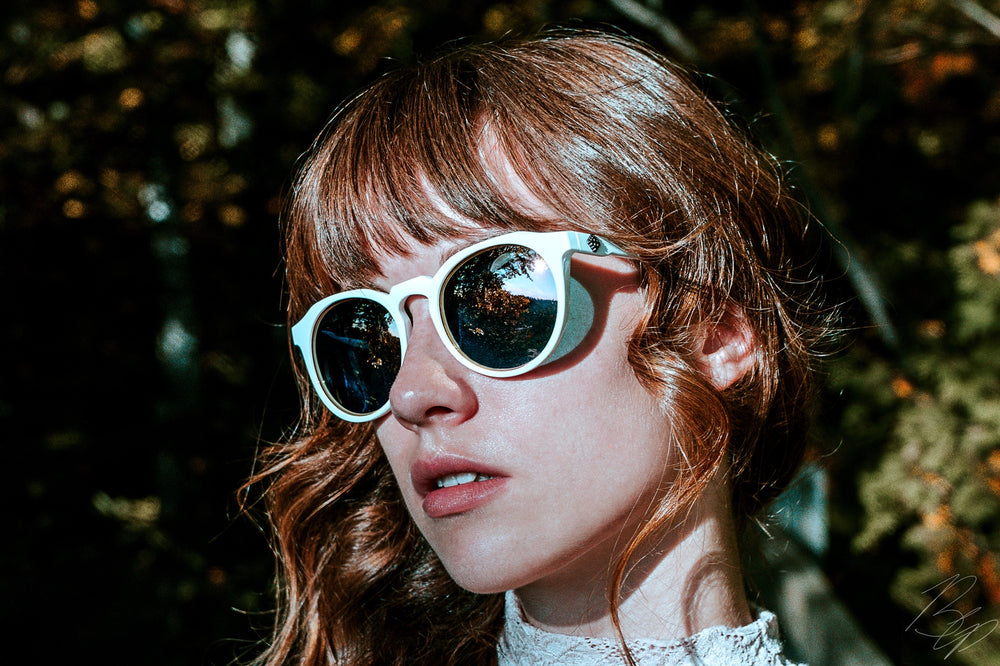
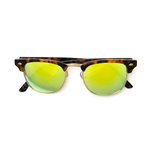
How live porn performers can reduce ring light eye strain with tinted glasses
Moving the light away from the direct line of sight can substantially reduce discomfort. Reddit discussions among streamers and cam performers commonly recommend placing lights farther to the side, lowering brightness or bouncing light from a white wall or board. Recent webcam discussions also report that reflected lighting can maintain camera exposure while reducing direct light reaching the eyes. For shows, two weaker lights can sometimes work better than one bright ring light. Diffusers, softboxes and bounced lighting spread illumination across a larger surface, reducing harsh reflections while preserving facial visibility on camera.
Read more
Fashion and sunglasses tips for Stripchat cam models to boost views
Solid colours tend to perform better on webcam than busy patterns, according to lighting specialists who consult with performers on set design. Tight patterns, such as small checks or fine stripes, can create a flickering effect on camera known as a moiré pattern. This distortion pulls viewer attention away from the performer and toward a visual glitch. Bright colours also read differently on camera than they do in person. Reds and deep blues often appear muted under standard webcam lighting, while lighter shades such as white, pastel pink, or soft yellow tend to reflect light and stand out more clearly on screen. Girls interviewed by trade outlets report adjusting their wardrobe seasonally based on which colours photograph well under their specific lighting setup.
Read more
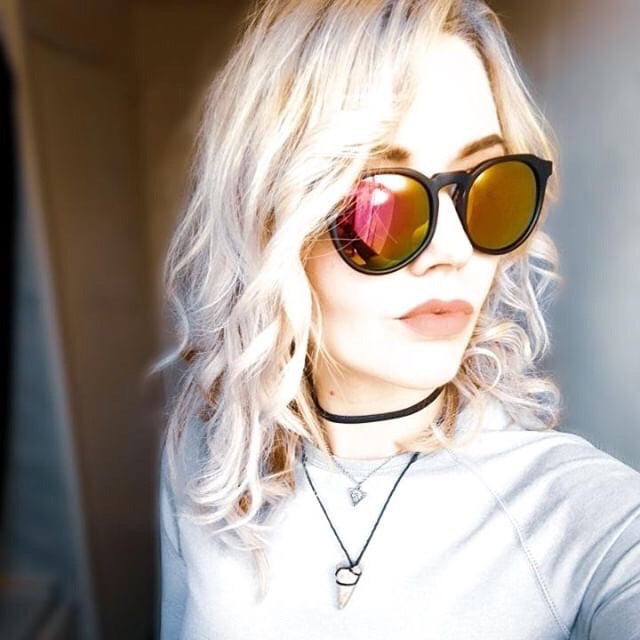
Wearing sunglasses on stream: can sex cam models protect their identity?
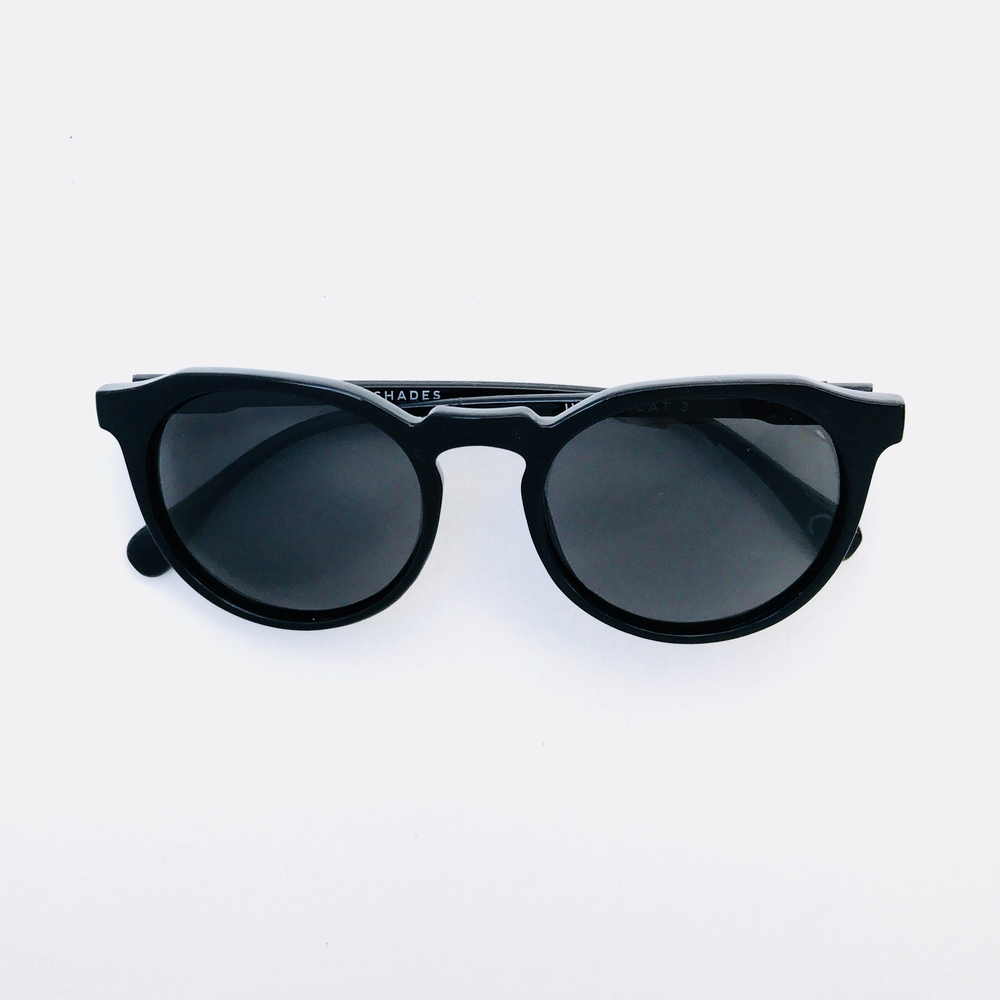
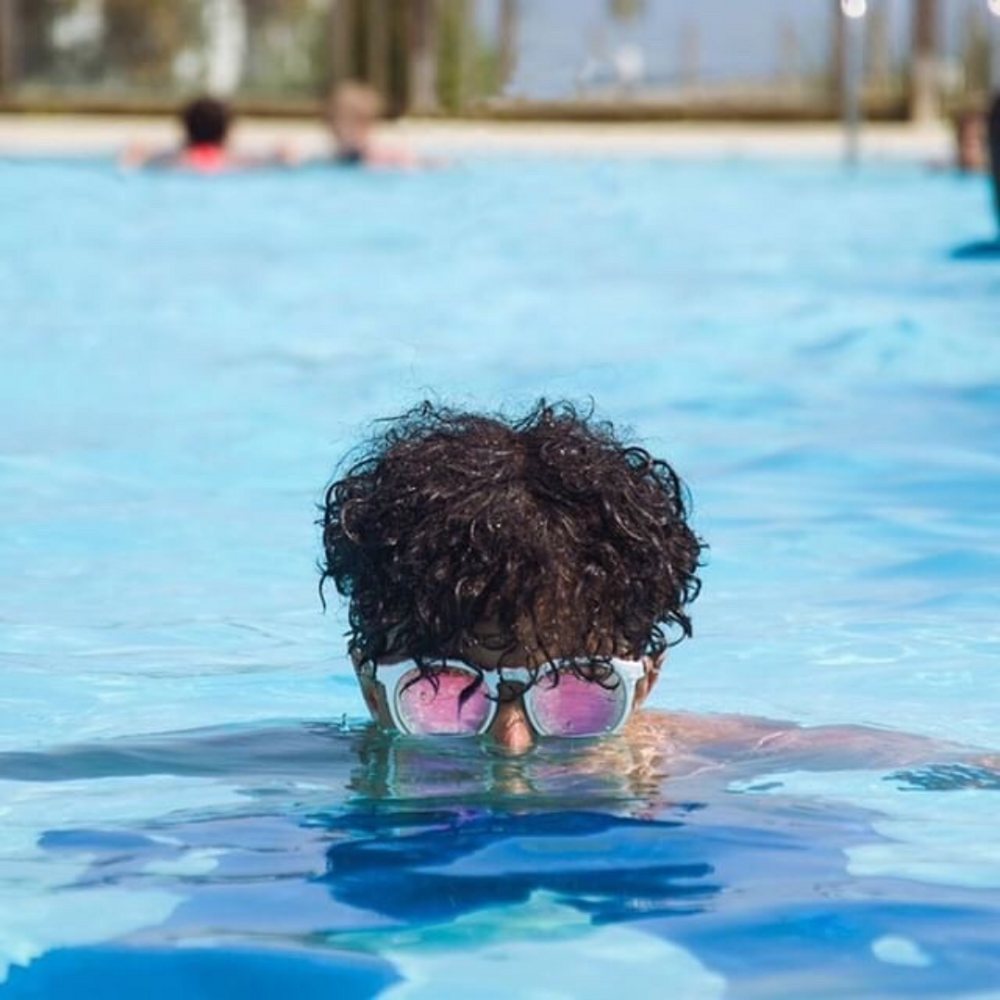
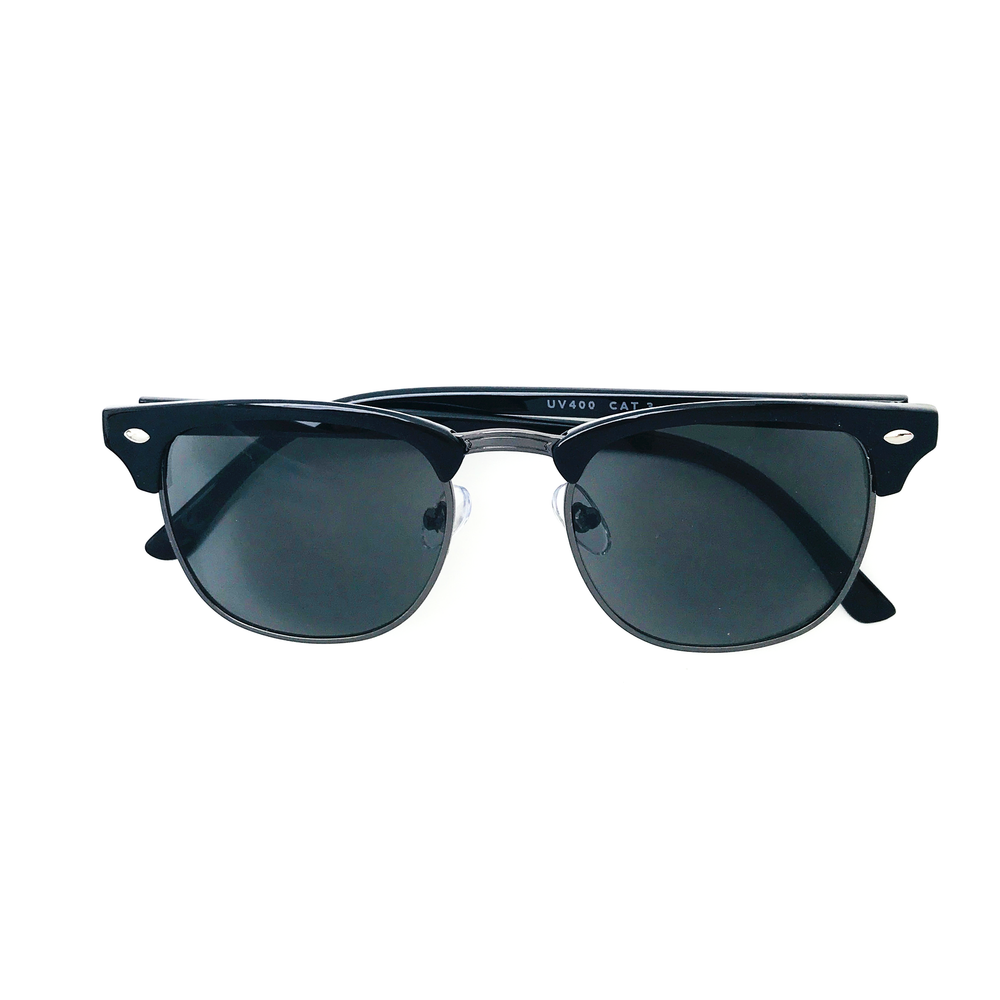
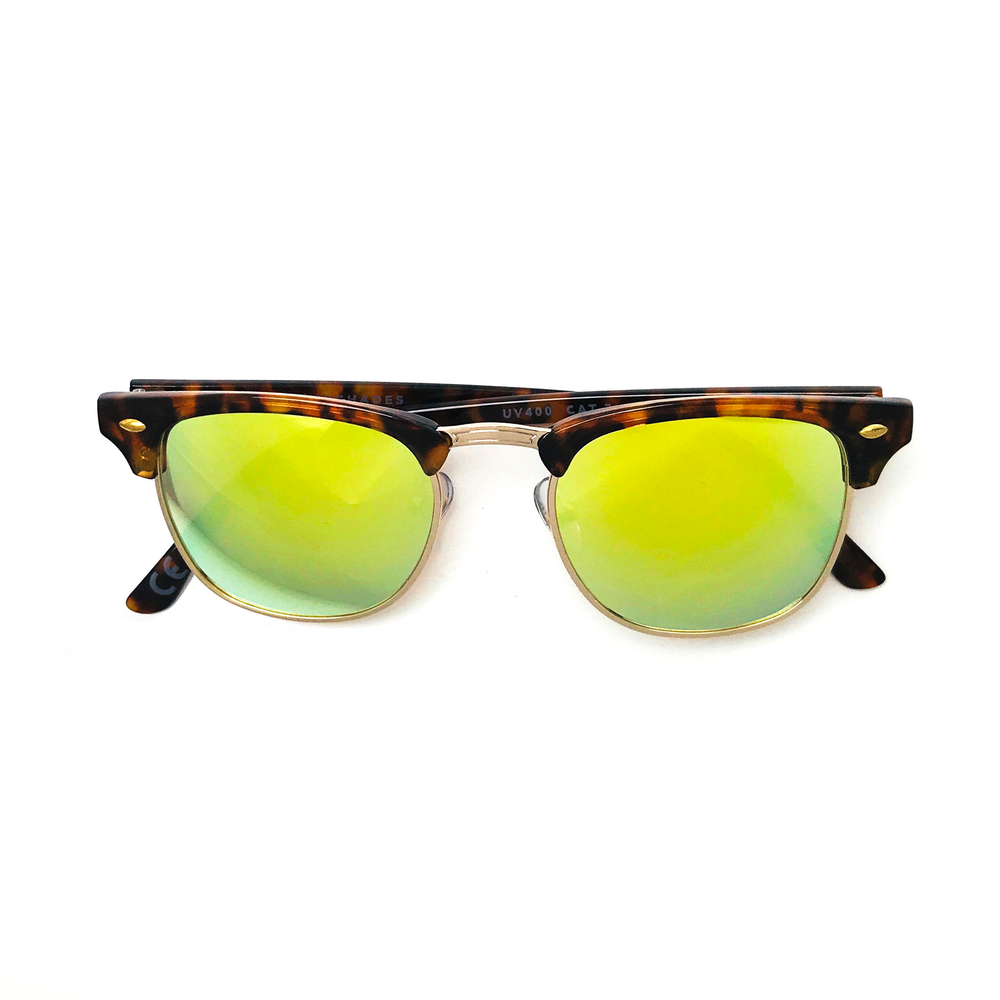
Sunglasses can reduce the visibility of a webcam model’s eyes and surrounding facial features, but they do not provide complete anonymity. Large frames, dark lenses and consistent styling may make casual recognition harder, while modern facial-recognition systems can still use the nose, jaw, mouth, voice, body shape and background details. Sunglasses mainly cover the eye region, which contains several features used in human and automated identification. Research and reporting on facial recognition indicate that ordinary glasses can reduce image quality in some conditions, but a hat-and-glasses combination may not defeat advanced recognition systems. Published assessments therefore treat eyewear as one privacy layer rather than a reliable technical barrier. Specialised anti-surveillance glasses use reflective materials or infrared management to interfere with certain cameras. Manufacturers state that these products can disrupt infrared illumination or facial mapping, although results depend on the camera, lighting, lens angle and recognition system. Such claims should be tested with the actual broadcasting equipment before use on shows.